
Bone Fractures
Evaluation of suspected or diagnosed fractures to identify appropriate non-surgical care, imaging coordination, follow-up, or referral.
Fracture evaluation and injury care in Utah
Precision Medical Care provides medical evaluation and non-surgical management for fractures, bone and joint injuries, and other musculoskeletal trauma. Our team helps determine appropriate treatment, diagnostic coordination, and follow-up based on each patient's injury.
This outpatient service is not a hospital trauma center or a 24/7 emergency service. Serious or potentially life-threatening injuries require emergency care.

Focused musculoskeletal evaluation
A clinical evaluation can help determine the nature and severity of an injury, whether diagnostic imaging may be appropriate, and what level of care or follow-up is needed.
Evaluation of suspected or diagnosed fractures to identify appropriate non-surgical care, imaging coordination, follow-up, or referral.
Assessment of pain, swelling, stability, movement, and function after an impact, fall, or other injury.
Evaluation of symptoms involving muscles and other soft tissues when clinically appropriate.
Review of symptoms that may involve supporting ligaments or tendons around an injured joint.
Assessment of ligament sprains, muscle strains, pain, swelling, and limits in everyday movement.
Medical evaluation after falls, sports incidents, impacts, or other physical injuries.
Not every fracture or traumatic injury is appropriate for outpatient management. Open fractures, severe deformity, impaired circulation, unstable injuries, major trauma, and other serious complications need a higher level of care.
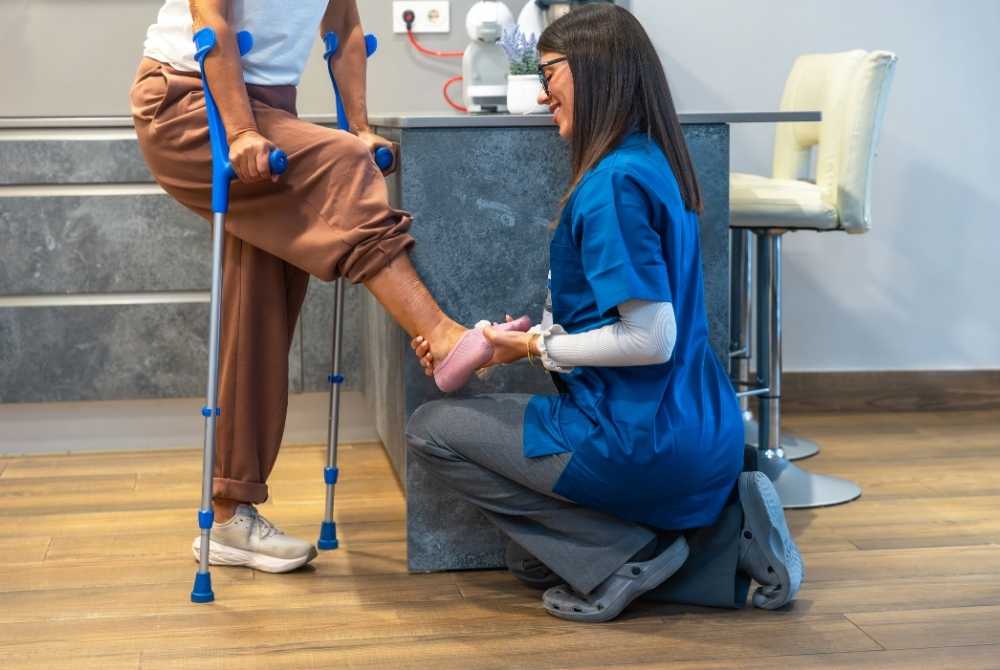
Care based on the individual injury
A focused medical assessment reviews how the injury occurred, current symptoms, movement, and function. Findings guide whether supportive care, diagnostic studies, follow-up, or specialist referral may be appropriate.
A physical examination alone cannot confirm or exclude every fracture. Diagnosis and next steps depend on the history, examination, diagnostic findings when indicated, and clinical judgment.
A defined outpatient scope
When the injury type, stability, and medical evaluation support outpatient care, a non-surgical plan may address symptoms, function, diagnostic needs, progress, and follow-up.
This page does not claim surgical care, complex fracture reduction, procedures under anesthesia, specific casting services, or advanced trauma procedures. The clinical team must determine whether non-surgical management is appropriate.
Review the injury mechanism, symptoms, movement, and clinical findings.
Define appropriate next steps according to the injury and the patient's needs.
Address pain and other symptoms using clinically appropriate recommendations.
Use follow-up when needed to assess healing, symptoms, mobility, and function.
Coordinate imaging or other studies only when medically indicated.
Direct patients to specialists or a higher level of care when findings require it.
Complementary services when indicated
An injury care plan may include coordination with laboratory or pharmacy services when the clinician determines they are relevant to the patient's specific needs.
Laboratory or other testing may be considered when findings create a clinical indication.
Medication decisions depend on symptoms, health history, risks, and provider judgment.
Infection-related measures are considered only when the injury and clinical findings warrant them.
Follow-up may review symptoms, function, diagnostic results, and response to the care plan.
Not every injury requires laboratory testing, medication, or infection-prevention treatment. Services may be coordinated with external providers; this page does not state that Precision Medical Care owns a laboratory or pharmacy.
Clinical evaluation first
The clinic evaluates the injury and determines whether diagnostic imaging may clarify the condition. When appropriate, the team can coordinate studies with external imaging facilities and use available results to guide follow-up.
X-rays may be coordinated when clinically appropriate for a suspected fracture or related injury.
MRI may be considered for selected injuries; it is not routinely required for every fracture concern.
Available imaging findings can inform treatment planning, monitoring, or next steps.
Findings that need additional expertise may lead to referral for specialist or higher-level care.
Imaging may take place at external facilities. Precision Medical Care does not guarantee immediate availability, insurance coverage, or imaging equipment at every clinic.
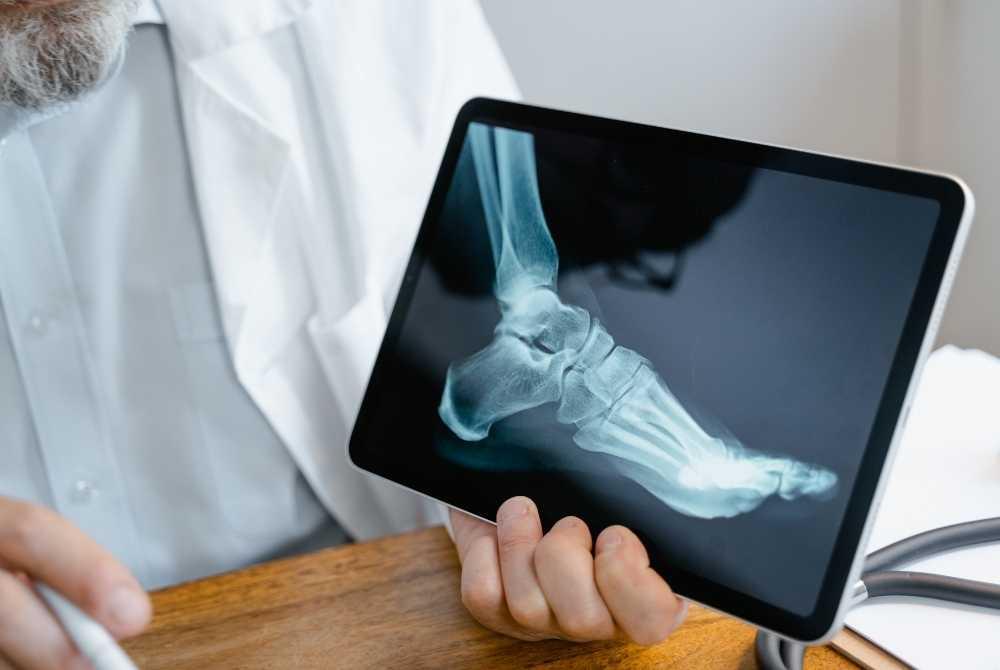
Know when to request evaluation
Prompt medical evaluation can help clarify whether pain, swelling, limited movement, or another symptom may involve a fracture or musculoskeletal injury and what care setting is appropriate.
Do not continue using an extremity when a serious fracture is suspected. This page provides general information and cannot diagnose an injury or provide individualized treatment instructions.
Care across Utah locations
The published service page references Precision Medical Care clinics in Provo, Murray, Pleasant Grove, Spanish Fork, and West Valley. Provo remains the primary location associated with this URL.
A clinic's existence does not confirm that every injury service, procedure, diagnostic study, or referral is available there. Call before traveling to confirm service availability. Clinic hours are maintained on the Locations page.
View Clinic Locations and HoursRequest an appropriate evaluation
Call Precision Medical Care to discuss an appropriate injury evaluation, or review clinic information before choosing a location. Emergency warning signs require 911 or emergency department care.