You may feel healthy, keep a busy schedule, and only think about seeing a doctor when something feels wrong. But many health concerns can develop quietly, without obvious symptoms at first. An annual physical exam gives you a proactive way to understand your health, review your risks, and catch potential problems early. Regular checkups and health screenings can help identify issues before they become more serious. In this article, you’ll learn why a yearly exam matters, what it may include, and how it supports long-term wellness.
Why an Annual Physical Exam Is More Than a Routine Visit
An annual physical exam is not just a quick appointment or a box to check. It is a dedicated visit focused on preventive care, health education, and early detection.
Many patients ask: “Do I really need a checkup if I feel fine?” The answer is often yes. Some conditions, such as high blood pressure, high cholesterol, and high blood sugar, may not cause noticeable symptoms in the early stages. MedlinePlus notes that regular checks are important because these issues can be present even when a person feels well.
A yearly exam helps your provider:
- Review your current health status.
- Identify risk factors based on age, lifestyle, and family history.
- Recommend appropriate screenings.
- Update vaccines when needed.
- Discuss symptoms or concerns you may have ignored.
- Build a stronger long-term relationship with your care team.
Preventive care is especially important for patients with a family history of chronic disease. The CDC highlights regular checkups, vaccinations, and screening tests as key preventive care practices.
What Happens During an Annual Physical Exam?
Every patient is different, so your visit may vary depending on your age, medical history, symptoms, and health goals. However, most annual physical exams include several important components.
Review of Your Medical History
Your provider may ask about:
- Past medical conditions.
- Current medications and supplements.
- Allergies. Family health history.
- Previous surgeries or hospital visits.
- Lifestyle habits such as nutrition, sleep, exercise, and stress.
- Any new symptoms or health concerns.
This conversation helps your provider understand your complete health picture, not just one symptom at a time.
Vital Signs and Physical Evaluation
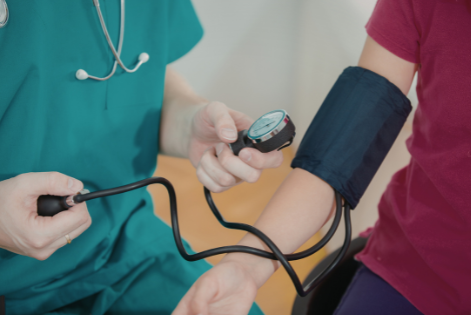
Your visit may include checking:
- Blood pressure.
- Heart rate. Temperature.
- Weight and body mass index.
- Breathing.
- General physical condition.
These basic measurements can reveal important changes over time. For example, blood pressure should be checked regularly because high blood pressure may not have obvious symptoms.
Blood Work and Preventive Screenings
Depending on your needs, your provider may recommend blood work or other screenings. These may help evaluate:
- Cholesterol levels.
- Blood sugar.
- Thyroid function.
- Liver and kidney function.
- Anemia.
- Vitamin deficiencies.
- Other risk-based health markers.
Health screenings are designed to look for diseases before symptoms appear. That makes them a valuable part of preventive care, especially for conditions that develop gradually.
Why Preventive Care Helps Patients Stay Ahead
Preventive care focuses on avoiding illness when possible, detecting concerns early, and reducing the impact of chronic conditions. CMS describes preventive care as health care that may include screenings, vaccines, checkups, and patient counseling.
When patients keep up with annual exams, they are more likely to understand their health numbers, notice changes sooner, and receive guidance before small issues become bigger concerns.
An annual exam can be especially helpful if you:
- Have a family history of diabetes, heart disease, or high blood pressure.
- Take regular medications.
- Have not had blood work in over a year.
- Feel tired, stressed, or “off” but are not sure why.
- Want to prevent future health problems.
- Need help managing an existing condition.
When Should You Schedule Your Annual Physical?
Most adults benefit from scheduling a preventive visit once a year, although your provider may recommend a different timeline based on your age, health history, or current conditions. You should also schedule a visit sooner if you develop new symptoms, experience changes in your health, or need medication refills, lab work, or follow-up care.
A good rule is simple: don’t wait until your body forces you to pay attention. A checkup gives you the chance to act early and make informed decisions.
Frequently Asked Questions
Do I need an annual physical if I feel healthy?
Yes, it can still be helpful. Some health conditions may not show symptoms in the beginning, including high blood pressure, high cholesterol, and high blood sugar. An annual exam helps your provider evaluate your risks and recommend screenings based on your individual health needs.
What should I bring to my annual physical exam?
Bring your photo ID, insurance information if applicable, a list of medications and supplements, previous lab results, vaccine records, and any questions or symptoms you want to discuss. It is also helpful to know your family health history.
Schedule Your Annual Physical Exam
Your health deserves attention before problems appear. Schedule your annual physical exam today and take a proactive step toward better long-term wellness. Our medical team is here to help you understand your health, review your risks, and create a care plan that fits your needs.
Medical Disclaimer: This content is for informational and educational purposes only. It does not replace professional medical advice, diagnosis, or treatment. Always consult a qualified healthcare provider for personalized medical guidance. If you are experiencing a medical emergency, seek immediate care.