
Digital Health
Telemedicine Benefits for Modern Patients
When travel, work, mobility, or distance makes an office visit difficult, telemedicine may provide another way to connect with a healthcare provider for selected types of care.
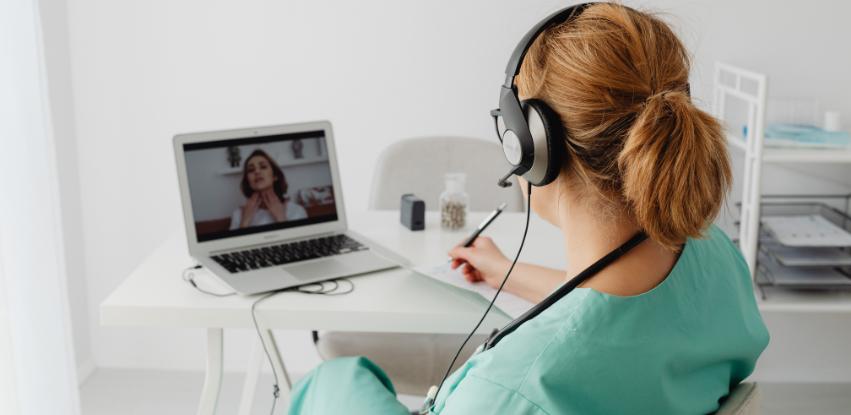
Telehealth can make remote communication more convenient, but it is not appropriate for every concern. Whether a virtual visit is available or suitable depends on your medical needs, provider availability, technology, location, and applicable requirements.
What Is Telemedicine?
Telemedicine generally refers to clinical care provided when a patient and healthcare provider are in different locations and communicate using approved technology. Depending on the service and context, this may involve video, telephone, secure messaging, or other authorized methods.
Telehealth is a broader term that can include telemedicine as well as other remote health services. A telemedicine visit is not an automated chatbot, an informal text conversation, or a replacement for an appropriate clinical evaluation.
Evidence: Telehealth.HHS.gov: Why use telehealth? (opens in a new tab)
Key Benefits of Telemedicine for Today's Patients
The historical article emphasized time, access, and comfort. These can be meaningful benefits when remote care is clinically appropriate, but they vary by patient, visit type, technology, and provider availability.
Time Savings and Fewer Unnecessary Trips
A virtual visit can reduce travel and the time needed to organize an in-person appointment. It does not guarantee an earlier appointment or eliminate waiting.
Access When Travel Is Difficult
Remote care may make it easier to connect with an appropriate provider when distance, mobility, caregiving, or work creates a barrier. Availability can depend on patient location and applicable professional requirements.
Privacy and Comfort in a Familiar Setting
Some patients may feel more comfortable discussing concerns from a private setting they choose. Privacy still depends on using approved systems, a suitable location, and appropriate security practices.
Support for Continuity and Communication
Telemedicine can offer another way to discuss selected follow-up needs, questions, medications, or results while maintaining an ongoing relationship with primary care.
Evidence: Telehealth.HHS.gov: Why use telehealth? (opens in a new tab)
When Can Telemedicine Be Useful?
Telehealth can sometimes be appropriate when the information needed for a clinical decision can be gathered safely at a distance.
- Selected follow-up appointments after previous evaluation.
- Medication questions or discussions when a hands-on assessment is not required.
- Review of certain laboratory or imaging results.
- Some chronic-condition follow-up and preventive counseling.
- Selected minor concerns or questions that may not require a physical examination.
These are general examples, not a list of services guaranteed by Precision Medical Care. Contact the clinic to ask whether telemedicine is available and appropriate for your specific concern.
When Is an In-Person Visit More Appropriate?
Telemedicine does not replace every office visit. A provider may recommend in-person care when remote information is not enough to evaluate the concern safely or accurately.
- A hands-on physical examination or direct observation is needed.
- Diagnostic testing, imaging, specimen collection, or direct measurements are required.
- A procedure or treatment must be performed in person.
- Symptoms or findings suggest that a higher level of care may be necessary.
- Technology or communication limitations prevent an adequate evaluation.
What to Expect During a Telemedicine Visit
A telehealth visit may include the following steps, depending on the provider, platform, and reason for the appointment:
- Connect through the communication method approved for the visit.
- Confirm relevant identity, location, contact, or visit information when requested.
- Describe symptoms, concerns, and changes in your health.
- Review medical history, medications, allergies, or recent results when relevant.
- Discuss possible next steps and questions.
- Determine whether follow-up or an in-person evaluation is needed.
How to Prepare for a Telemedicine Appointment
Preparation can reduce avoidable technical interruptions and help you use the visit time effectively.
- Review the clinic's connection instructions and use only the approved platform or channel.
- Charge your device and test the internet connection, camera, microphone, and speakers when required.
- Choose a quiet, well-lit, and private location where you can speak comfortably.
- Have your medication list, relevant results, symptoms, and questions available.
- Prepare measurements only when a healthcare professional has requested them and you can obtain them appropriately.
- Ask the clinic what to do if the connection fails or you need accessibility or language support.
Do not participate in a telemedicine visit while driving. Do not send health information through an unapproved email, text, or messaging channel.
Evidence: Telehealth.HHS.gov: Helping patients prepare for a telehealth appointment (opens in a new tab), Telehealth.HHS.gov: What should I know before my telehealth visit? (opens in a new tab)
Privacy During a Telemedicine Visit
Telemedicine involves communicating health information through technology. Use the platform or communication method approved for the visit and follow the clinic's security instructions.
No technology is risk-free, and not every video or messaging service is appropriate for healthcare communication.
- Choose a private place where others cannot easily overhear the conversation.
- Use a trusted device and a password-protected internet connection when possible.
- Confirm that links and messages came through the clinic's expected channel.
- Avoid public networks and shared devices when discussing sensitive health information when possible.
- Ask before recording or allowing another person to participate in the visit.
Evidence: Telehealth.HHS.gov: How do I protect my data and privacy? (opens in a new tab)
Telemedicine and In-Person Care Serve Different Needs
- Telemedicine
- may be useful when the necessary conversation and clinical evaluation can be completed appropriately at a distance.
- In-person care
- may be needed when the visit requires a physical examination, procedure, test, imaging, or direct observation.
Neither format is automatically better for every situation. The appropriate option depends on the patient's needs and the nature of the concern.
Does Telemedicine Replace Primary Care?
Not necessarily. Telemedicine can be one way to receive selected parts of care, but a primary care relationship may also require in-person visits, physical examinations, testing, procedures, and ongoing coordination.
Precision Medical Care has not confirmed telemedicine availability for every service or clinic location. Call the office to ask whether a virtual visit is available and appropriate for your healthcare needs. Coverage and out-of-pocket costs can vary by insurance plan and visit type.
Frequently Asked Questions About Telemedicine
What can telemedicine be used for?
It may support selected consultations, follow-up, medication discussions, result reviews, counseling, or questions when a remote evaluation is clinically appropriate. The provider may recommend in-person care instead.
Do I need special equipment?
Many visits require a phone, tablet, or computer with a reliable connection and may require a camera, microphone, and speakers. Requirements depend on the approved platform and type of visit, so confirm instructions with the clinic.
Is telemedicine private?
Healthcare privacy rules and approved systems help protect health information, but no technology is completely risk-free. Use the clinic's approved channel, choose a private setting, and follow the provided security guidance.
Can telemedicine be used for an emergency?
Do not rely on a routine virtual appointment for a potentially life-threatening emergency. Call 911 or seek emergency medical care for severe or potentially life-threatening symptoms.
Medical Sources
The telehealth guidance in this article was reviewed against the following public resources from the U.S. Department of Health and Human Services and the Health Resources and Services Administration.
- Telehealth.HHS.gov: Why use telehealth? (opens in a new tab)
- Telehealth.HHS.gov: Helping patients prepare for a telehealth appointment (opens in a new tab)
- Telehealth.HHS.gov: How do I protect my data and privacy? (opens in a new tab)
- Telehealth.HHS.gov: What should I know before my telehealth visit? (opens in a new tab)
Related article
Continue Reading
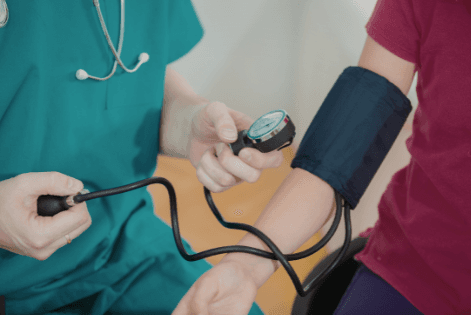
Annual Physical Exam: Why It Matters
Annual physical exams support preventive care by helping patients review health risks, track important measurements, and identify concerns that may not yet cause symptoms.
Read Article: Annual Physical Exam: Why It MattersDigital health and primary care
Ask Whether Telemedicine Is Right for Your Visit
Contact Precision Medical Care to ask whether a virtual visit is currently available and clinically appropriate for your healthcare needs.